

Few instruments possess the magnetic allure and cultural significance of the djembe. Hailing from West Africa, this goblet-shaped hand drum has transcended its traditional roots, reaching global audiences and embedding itself into various music genres. At the heart of this musical journey is a unique term: ‘Djembefola.’ But what does it mean, and who are the torchbearers of this title?
Understanding Djembefola
The term ‘Djembefola’ is derived from the Bambara language spoken in Mali. “Djembe” refers to the drum itself, while “fola” translates to “someone who plays” or “player.” Thus, a ‘Djembefola’ is, in essence, a djembe player. But this title carries weight far beyond a mere descriptor of one’s ability to play the instrument.
More Than Just a Player
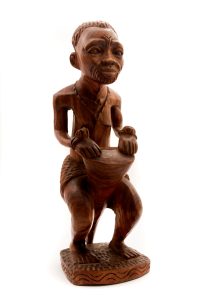
A Djembefola is not simply a person who taps on the drum; they are the custodians of a rich cultural heritage. The djembe is not just an instrument; it’s a conduit for storytelling, a beacon for community gatherings, and a symbol of unity. Thus, a true Djembefola carries the weight of tradition, ensuring that the rhythms, techniques, and stories passed down through generations remain intact and vibrant.
Being a Djembefola involves mastering intricate rhythms that correspond to various ceremonies, dances, and events. It means understanding the language of the drum, which communicates joy, sorrow, celebration, and warnings. This depth of knowledge makes the Djembefola a respected figure in many West African communities.
Who Falls Under This Categorization?
While originally the title was designated for skilled players in West Africa, the proliferation of djembe worldwide has seen many non-Africans embracing the instrument and its culture. Consequently, the term ‘Djembefola’ now encompasses a broader range of enthusiasts:
- Traditional Masters: These are individuals from West Africa who have been immersed in the djembe tradition from a young age, often inheriting the skill from their ancestors.
- Global Enthusiasts: With the djembe’s global spread, many people outside of Africa have been trained by master players, dedicating themselves to maintaining the authenticity of the craft.
- Modern Innovators: The djembe has found its way into contemporary music genres like jazz, rock, and fusion. Players in this category often blend traditional techniques with modern rhythms.
Over the years, several individuals have distinguished themselves as master djembe players or ‘Djembefolas’. Here are some prominent Djembefolas from both traditional and modern contexts:
- Mamady Keïta: Originally from Guinea, Keïta is one of the most renowned Djembefolas in the world. He’s credited with popularizing the djembe outside of West Africa, and he’s founded schools in both Africa and Europe. His contributions to the world of percussion are immense.
- Famoudou Konaté: Also from Guinea, Konaté is a master drummer who has dedicated his life to preserving the traditional rhythms and techniques of the Malinké people. He’s been a prominent figure in both teaching and performing the art of the djembe.
- Fadouba Oularé: A legendary Djembefola, Oularé’s playing style has influenced many contemporary players. He’s particularly known for his powerful and intricate rhythms.
- Amara Kanté: Born in Guinea and now based in Canada, Kanté is known for his dynamic playing style and has contributed to both traditional and fusion music genres.
- Bolokada Condé: Hailing from Guinea’s Sankaran region, Condé is a celebrated Djembefola known for his captivating performances and teaching prowess.
- Sidiki Dembélé: A younger generation Djembefola from the Ivory Coast, Dembélé has performed across the globe, sharing the traditions and rhythms of the djembe.
These are just a few names in the vast world of djembe players. Many more Djembefolas, both in West Africa and internationally, continue to uphold the traditions, innovate, and spread the enchanting rhythms of the djembe to audiences everywhere.
Djembefola represents a lineage of musicians dedicated to the art and soul of the djembe drum. Whether they hail from the instrument’s ancestral lands or have been captivated by its rhythms from afar, all Djembefolas are bound by a shared reverence for this iconic drum and its storied history.
The above article may contain affiliate links which help support Authentic Drums. However, it does not affect our editorial integrity. The content remains unbiased and authentic.