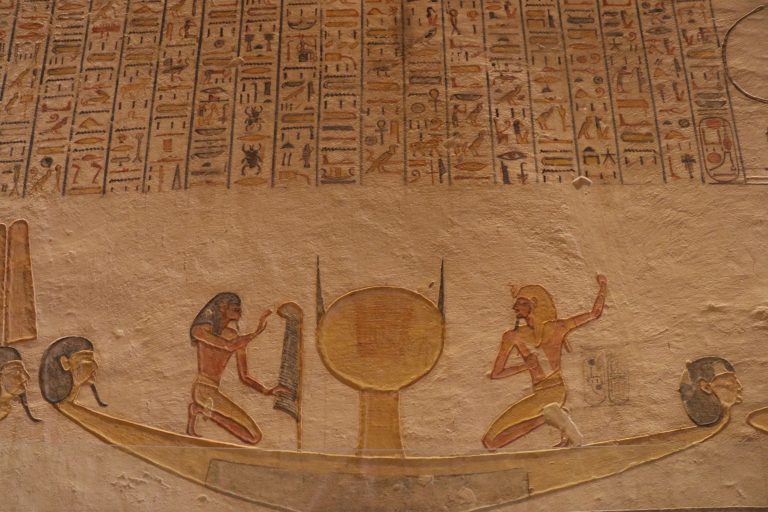


African drumming dates back as far as Ancient Egypt, and as far-reaching as Mali and Zimbabwe, where drumming is still an integral part of traditional African music. The earliest known drum patterns were found in rock art from Saharan and sub-Saharan African countries. African drumming has a rich and diverse history that dates back to ancient civilizations. African drumming is more than just music; it is an integral part of African culture and has played a significant role in the history of Africa.
Drumming has been an important part of African culture for thousands of years and is used for a variety of different purposes, such as communication, entertainment, healing, spiritual ritual, and more. From religious rituals to social gatherings, African drumming has been used to communicate, express emotions, and preserve cultural traditions. Some of the instruments used in African drumming include djembes, dunun drums, and talking drums.
The Nok culture of West Africa
The earliest evidence of African drumming can be traced back to the Nok culture of West Africa, which existed between 500 BC and 200 AD.
One of the most significant contributions of the Nok culture was their use of drumming as a form of communication. The Nok people used drumming to communicate over long distances and to pass on cultural traditions. They were some of the first people in Africa to use drumming in this way, and their use of drumming laid the foundation for the rich musical traditions that exist in West Africa today.
The Nok culture disappeared mysteriously around 200 AD, and little is known about what happened to the Nok people. However, their legacy lives on through their art and their use of drumming, which continue to inspire people to this day. The Nok culture is an important part of African history and is considered a cornerstone of West African cultural heritage. In the 9th century, the Ghana Empire used drumming as a form of military communication, and drums were also used in religious ceremonies. The use of drums in Africa spread across the continent, with different regions developing their own unique styles of drumming.
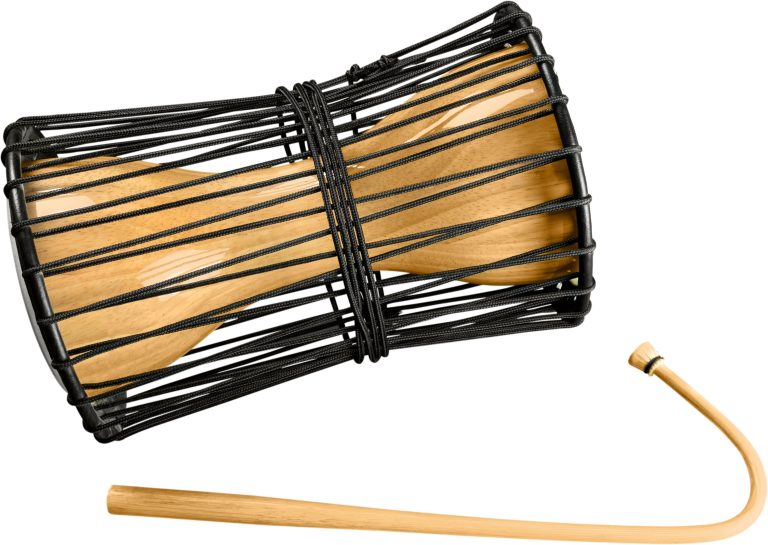
The African “talking drum”
One of the most famous African drumming traditions is the “talking drum”, which is a type of drum that is played with sticks and can imitate speech. The talking drum was used to communicate messages over long distances in West Africa, and it remains an important part of African music today. In many African cultures, drumming is used to celebrate important events such as weddings, births, and initiations.
The talking drum has a long history in Africa, and it was used by the ancient Nok culture for communication over long distances. The talking drum became a popular instrument in the 9th century, during the Ghana Empire, when it was used as a form of military communication. The drum was also used in religious ceremonies and social gatherings.
Drumming as a form of of communication
In many African cultures, the talking drum is used to communicate messages and to pass on cultural traditions. The drum can imitate the tonal patterns of different languages, and it was used as a way of communicating information between different ethnic groups. The talking drum is also used in traditional African storytelling and is an important part of African music and culture.
African drumming was also used as a form of resistance against colonialism and slavery. During the slave trade, African slaves were forbidden from playing their drums, but they continued to use drumming as a way of preserving their cultural traditions and communicating with each other in secret. After slavery was abolished, African drumming became a powerful symbol of resistance and liberation, and it continues to play an important role in African music today.
Today, African drumming is an integral part of African culture and continues to evolve and change. From traditional African drumming styles to modern interpretations, African drumming continues to be a source of inspiration and cultural expression. In recent years, African drumming has gained popularity around the world, with many people interested in learning about its rich history and cultural significance.
In conclusion, African drumming is an important part of Africa’s cultural heritage and has played a significant role in the history of the continent. From religious ceremonies to social gatherings, African drumming has been used to communicate, express emotions, and preserve cultural traditions. Today, African drumming continues to evolve and inspire people all over the world, and its rich history and cultural significance will continue to be celebrated for generations to come.
The above article may contain affiliate links which help support Authentic Drums. However, it does not affect our editorial integrity. The content remains unbiased and authentic.