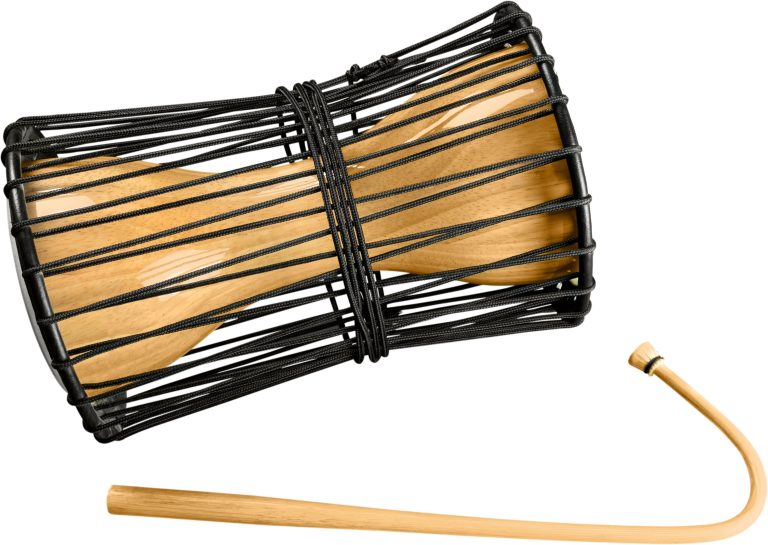

The Batá Drum: A Voice to the African Diaspora
Of all the musical instruments that have emerged from the African Diaspora, the Batá drum holds a unique place. With its distinct sound and rich cultural history, it has become a symbol of identity for many Afro-Cubans and practitioners of Yoruba religion.
Originating from the Yoruba people of Nigeria, the Batá drum was brought to Cuba by enslaved Africans during the transatlantic slave trade. It is a double-headed drum made from a hollowed-out tree trunk, with drumheads made from animal skins. The drum is played with hands and a stick, producing a deep resonating sound that can be heard from miles away.
The Batá drum is not just a musical instrument; it is a sacred object. It is believed to be a sacred voice that connects the physical and spiritual world. In Yoruba religion, the drum is used in religious ceremonies and rituals to communicate with Orishas, or deities. Each drum has its own Orisha, and the rhythms played on the drum are specific to each deity.
The significance of the Batá drum goes beyond its religious and cultural context. It represents the resilience and survival of the African people in the face of adversity. Despite the harsh conditions of slavery, the Batá drum and its rhythms were preserved and passed down through generations. Today, it is a part of the vibrant Afro-Cuban culture and continues to be a voice to the African Diaspora.
The Batá drum has also gained recognition beyond the shores of Cuba. In recent years, it has found its way into the global music scene, where its unique sound has captured the attention of musicians and audiences alike. From jazz to salsa and even hip-hop, the Batá drum has found its place in various music genres, adding depth and authenticity to the sound.
To fully appreciate the Batá drum and its cultural significance, it is important to understand its history and the traditions that accompany it. Learning from experienced drummers and immersing oneself in the rich heritage of the Yoruba people can provide a deeper understanding of the drum’s true essence.
In conclusion, the Batá drum is not just a musical instrument; it is a symbol of identity, resilience, and cultural heritage. Its distinct sound and rich history make it a voice to the African Diaspora. Whether used in religious ceremonies or incorporated into contemporary music, the Batá drum continues to enchant and inspire audiences around the world
The above article may contain affiliate links which help support Authentic Drums. However, it does not affect our editorial integrity. The content remains unbiased and authentic.