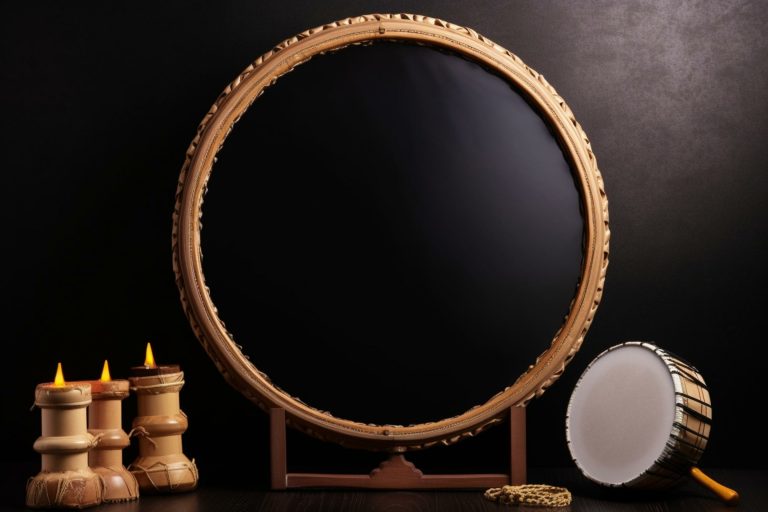


Mango trees, widely celebrated for their succulent fruits, have another less known gift they offer to the world: the versatility of their wood. Among the many applications, mango wood finds an intriguing use in the world of music, particularly in the construction of drums. This article delves into the characteristics of mango wood drums, the various types available, and reasons for the wood’s growing popularity in drum-making.
Characteristics of Mango Wood:
1. Aesthetic Appeal: Mango wood flaunts a unique grain pattern with a blend of warm tones, making drums constructed from it visually captivating. The wood exhibits rich browns interlaced with shades of tan and buttery yellows.
2. Sustainability: As mango trees mature and no longer produce fruit, they are often felled to make way for new trees. Utilizing this otherwise discarded wood for crafting drums aligns with sustainable practices, reducing waste and conserving resources.
3. Acoustic Properties: While it’s not as dense as some other hardwoods traditionally used for drums, mango wood offers a unique tonal quality. Its medium density results in a well-rounded, warm, and resonant sound, particularly appreciated in world percussion instruments.
Types of Mango Wood Drums:
1. Djembe: Originally from West Africa, the djembe has gained global recognition. Mango wood djembes have a distinctive, warm tone, making them an excellent choice for ensemble settings where they don’t overpower other instruments but blend seamlessly.
2. Cajón: A box-shaped percussion instrument originating from Peru, the cajón’s resonant qualities get beautifully highlighted when made from mango wood. The wood complements the deep bass tones and the sharp slap sounds inherent to this instrument.
3. Bongos: Typically played in Afro-Cuban music genres, bongos made from mango wood emphasize the natural highs and mids, making them cut through in a mix of instruments.
4. Frame Drums: These are ancient types of drums that have been used in various cultures worldwide. Mango wood, with its well-rounded resonance, is an excellent choice for these drums, delivering deep basses and crisp trebles.
Why Use Mango Wood?
1. Eco-friendliness: Using mango wood helps reduce the environmental footprint. As older fruit-bearing trees are replaced, turning them into musical instruments reduces waste and ensures the cycle of life continues in a harmonious manner.
2. Sound Quality: Its medium density means mango wood drums aren’t overly loud but possess a warmth and clarity that’s hard to match. This characteristic makes them ideal for various musical settings, from intimate acoustic sessions to large ensemble performances.
3. Affordability: Mango wood, being a byproduct of the fruit industry, often comes at a more affordable price point than other hardwoods. This makes high-quality drums more accessible to a broader audience.
4. Durability: While it might not be as hard as woods like maple or oak, mango wood, when properly treated and maintained, has a substantial lifespan. Its natural resistance to wear and tear makes it suitable for musical instruments that undergo regular use.
In conclusion, mango wood drums are not just instruments; they are a testament to nature’s brilliance and man’s ingenuity. As sustainability and eco-conscious choices become more critical in today’s world, the rise of mango wood in drum-making is both a nod to tradition and a stride towards a greener future. Whether you’re a musician, a craftsman, or an aficionado, the melodious allure of mango wood drums is undeniably captivating.
The above article may contain affiliate links which help support Authentic Drums. However, it does not affect our editorial integrity. The content remains unbiased and authentic.