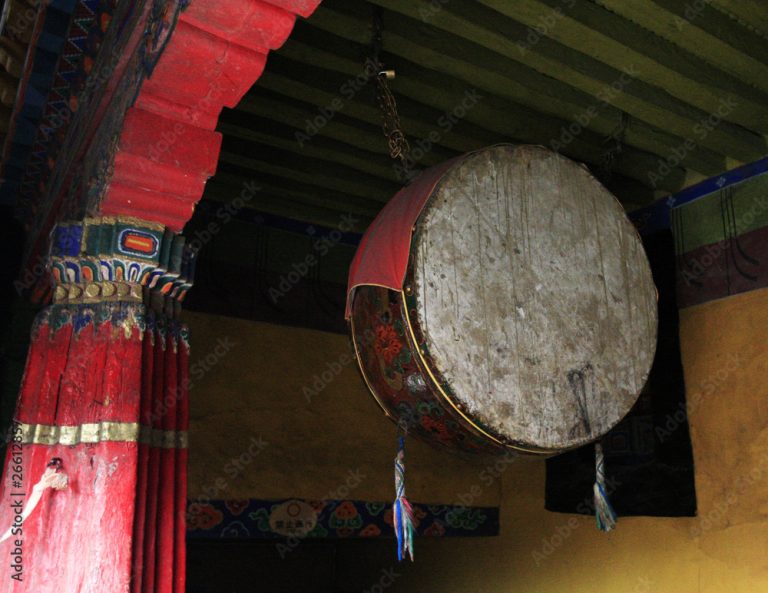

Armenian music is known for its rich cultural heritage and unique instruments. One of the most prominent and beloved instruments in Armenian music is the Duduk. Although it is often referred to as a double-headed drum, the Duduk is actually a woodwind instrument.
Duduk History and Origins
The origins of the Duduk can be traced back thousands of years to the Armenian Highlands. It is believed to have been invented during the reign of the Urartian Kingdom in the 9th century BCE. The instrument has been an integral part of Armenian culture and music ever since.
The Duduk is traditionally made using apricot wood, which is known for its resonant qualities. The wood is carefully selected, dried, and hollowed out to create the distinctive shape of the instrument. The reed, called “tahrir,” is also an essential component of the Duduk. It is crafted with precision to ensure the perfect sound.
The Duduk’s Unique Sound and Playing Technique
What sets the Duduk apart from other woodwind instruments is its hauntingly beautiful sound. With only a few finger holes, the Duduk can produce a wide range of rich, emotional tones. Its deep, melancholic sound has been compared to the human voice, making it incredibly expressive and soul-stirring.
Playing the Duduk requires a unique technique. The musician blows air through the reed while simultaneously using circular breathing to maintain a continuous sound. This technique allows for long, uninterrupted phrases and gives the music a hypnotic quality.
The Duduk’s Role in Armenian Music
The Duduk holds a special place in Armenian music and culture. It is often associated with traditional folk songs, laments, and spiritual music. The instrument is also commonly featured in Armenian orchestras and ensembles. Its distinct sound adds depth and authenticity to the music, creating a powerful and emotional experience for listeners.
Internationally renowned musicians and composers have also recognized the unique beauty of the Duduk. Its haunting melodies have been featured in numerous film soundtracks, most notably in the scores of “Gladiator” and “The Last Samurai.” The powerful and evocative sound of the Duduk has captured the hearts of
The above article may contain affiliate links which help support Authentic Drums. However, it does not affect our editorial integrity. The content remains unbiased and authentic.