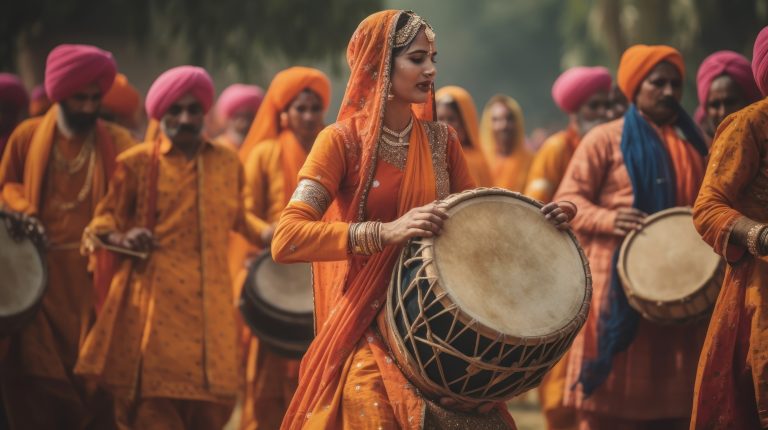


Introduction to the Ancient Art of Drumming
Drumming is a timeless art form that has been practiced by various cultures around the world for centuries. From the booming rhythms of African tribal ceremonies to the intricate beats of traditional Japanese Taiko drums, the power and versatility of this instrument cannot be overstated. In this article, we will explore the ancient art of drumming from a global perspective, delving into its cultural significance, techniques, and its modern-day impact.
Historical Roots of Drumming: From Mesopotamia to Egypt
Understanding the historical and cultural significance of drumming is key to fully appreciating its global reach. It is believed that the earliest evidence of drumming dates back over 6,000 years to Mesopotamia (modern-day Iraq). Ancient Egyptian hieroglyphics also depict drummers playing during religious ceremonies and military victories. These early civilizations recognized the power of drumming to evoke emotions, communicate messages, and unite communities.
African Drumming: Community, Ceremony, and Storytelling
As we move across continents, we encounter the rich traditions of African drumming. African drumming is deeply rooted in the continent’s history and played an integral part in tribal ceremonies, storytelling, and community celebrations. The rhythms produced by the djembe, a West African drum, are particularly known for their infectious energy and ability to bring people together, transcending language and cultural barriers.
The Thunderous Beats of Japanese Taiko Drumming
In Asia, traditional Japanese Taiko drumming has captivated audiences worldwide. These enormous drums, often played by a group of performers, produce thunderous beats that reverberate through the body. Taiko drumming carries great spiritual and artistic significance in Japanese culture and has become a symbol of national identity. The rhythmic precision, physicality, and sheer power of Taiko performances mesmerize onlookers, creating an unforgettable experience.
Latin American Drumming: From Samba to Congas
Moving to the Americas, we encounter the vibrant rhythms of Latin American drumming. From the samba drums of Brazil to the congas of Cuba, these rhythmic patterns have influenced numerous musical genres, such as jazz, salsa, and reggae. Latin American drumming is known for its infectious and lively beats, inspiring individuals to dance and immerse themselves in the music.
Drumming in Modern Music: The Beat Goes On
In recent times, drumming has evolved beyond its traditional roots and found a place in modern music genres. It has become an essential element in popular music and serves as a driving force in rock, pop, and electronic genres. Today, drummers are not only skilled musicians but also technological wizards, using electronic drum kits to create experimental sounds and push the boundaries of what is possible.
The Enduring Resonance of Drumming
In conclusion, the ancient art of drumming has left an indelible mark on cultures worldwide. Its historical and cultural significance, coupled with its ability to transcend language and unite people, has made it a universally cherished art form. From its origins in Mesopotamia to its modern-day applications in popular music, drumming continues to captivate and inspire. So, whether you find yourself entranced by the thunderous beats of Taiko drums or grooving to the infectious rhythms of Latin American percussion, take a moment to appreciate the global reach and enduring power of the ancient art of drumming.
The above article may contain affiliate links which help support Authentic Drums. However, it does not affect our editorial integrity. The content remains unbiased and authentic.