
The Djun-djun, also known as the dundun or doundoun, is a special type of drum originating from Mali, West Africa. It is a key component of traditional Malian music and is used to create rhythm and excitement during celebrations and important events. In this article, we will explore the history, construction, and significance of the Djun-djun drum.
History of the Djun-djun
The Djun-djun has a rich history dating back many centuries. It was originally used by the Bambara people of Mali as a way to communicate messages across long distances. The drum was played to signal important information and events, such as the arrival of a chief or news from a neighboring village. Over time, the Djun-djun became not only a tool for communication but also a symbol of celebration and cultural identity.
Construction of the Djun-djun
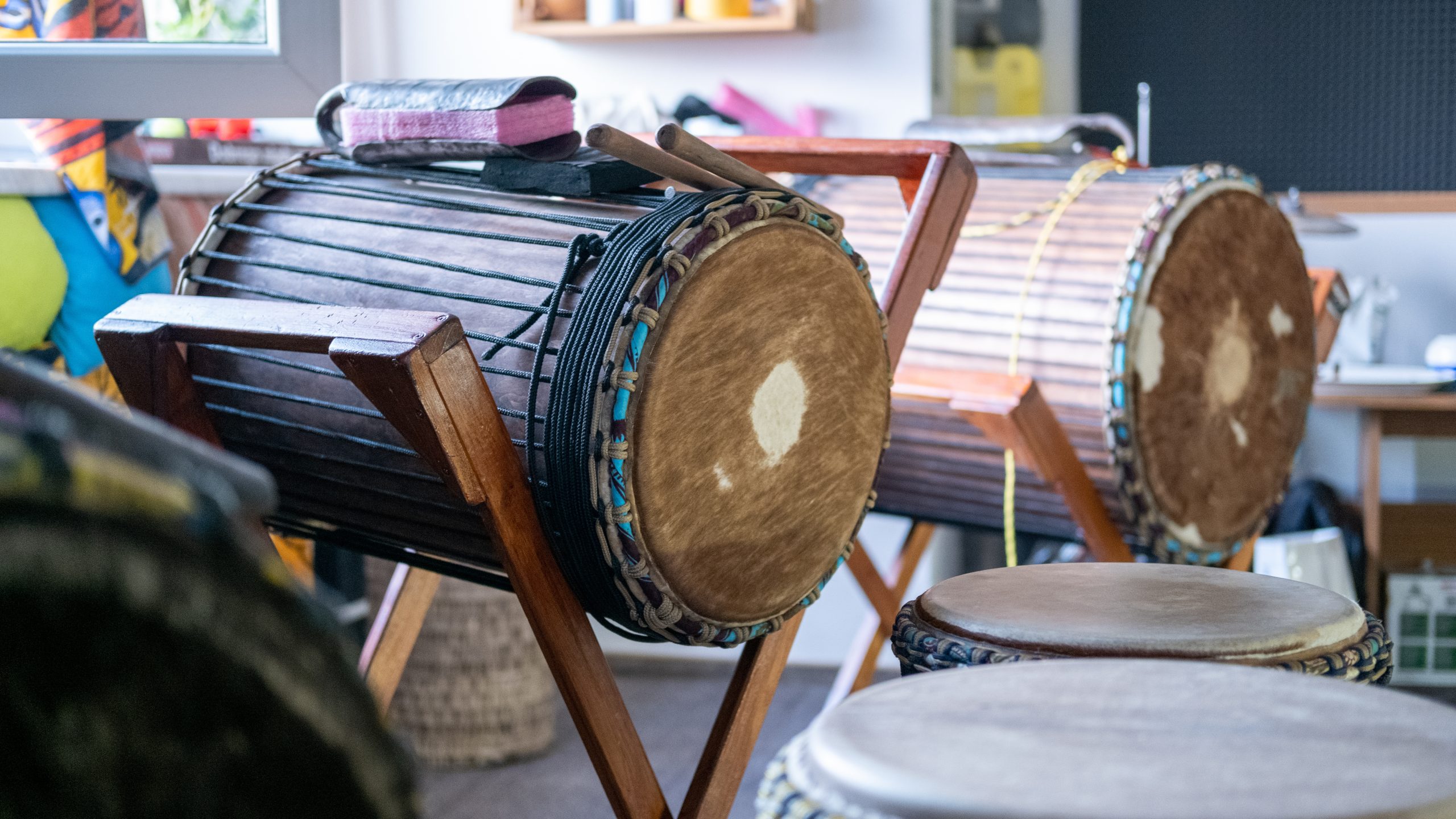
The Djun-djun is a large, cylindrical drum made from a hollowed-out log. In traditional construction, the drum is carved from the wood of a specific tree called the lenke. This dense and durable wood creates a deep, resonant sound that can be heard from a distance. The drum is usually between 12 to 18 inches in diameter and is covered at both ends with animal skin, typically goat or cowhide.
To play the Djun-djun, the drummer uses a mallet or stick to strike the drumhead, creating a deep bass tone. There are typically three sizes of Djun-djun drums, each with a different pitch. The largest drum, called the dundunba, produces the lowest sound, while the medium-sized sangban and the smallest kenkeni drums produce higher pitches. When played together in a group, the Djun-djun ensemble creates a complex and rhythmic composition that forms the foundation of Malian music.
Significance of the Djun-djun
The Djun-djun holds great cultural and spiritual significance in Mali. It is often played during important events such as weddings, funerals, and religious ceremonies. The dynamic and powerful sound of the Djun-djun drum energizes the participants and enhances the overall atmosphere of celebration and unity.
The drum also plays a crucial role in traditional Malian dance. Dancers often follow the rhythm set by the Djun-djun ensemble, creating a mesmerizing display of
The above article may contain affiliate links which help support Authentic Drums. However, it does not affect our editorial integrity. The content remains unbiased and authentic.