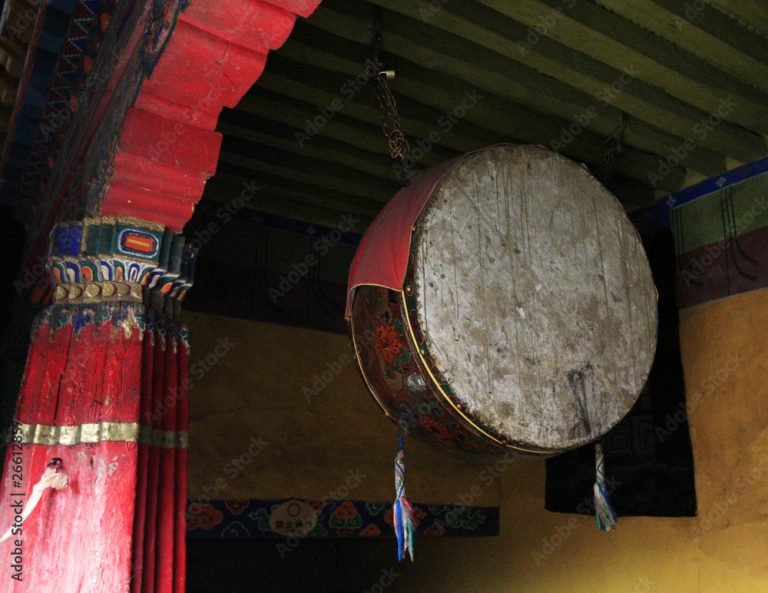


Ancient India: A Melting Pot of Culture and Tradition
Ancient India, with its rich cultural heritage, has witnessed the flourishing of various art forms, including the mesmerizing art of drumming. Dating back thousands of years, drumming has played a pivotal role in Indian society, influencing not only music but also social and spiritual aspects of life.
Drums in Indian Mythology: The Beat of Creation
In Indian mythology, the sound of drums is often associated with the creation of the world. According to ancient texts, Lord Shiva, the god of destruction and creation, is depicted as playing the damaru, a small two-headed drum, to create the universe. The rhythmic beats of the drum symbolize the primal vibrations that gave birth to existence. This powerful association between drumming and creation marked the beginning of the cultural significance of drumming in ancient India.
Rituals and Festivals: The Heartbeat of Indian Celebrations
Drumming holds a prominent place in Indian rituals and festivals, acting as the heartbeat of these vibrant celebrations. Whether it’s the grandeur of Diwali, the festival of lights, or the fervor of Navratri, which honors the divine feminine, drums are an essential component of these festivities. The rhythmic beats of the drums create an energetic atmosphere, invoking a sense of unity and joy among the participants. Drumming not only brings people together but also heightens their spiritual experiences during these rituals.
Today, drumming continues to be an integral part of various regional festivals and cultural events across India. From the dhol, a double-headed drum played during Bhangra performances in Punjab, to the tabla, a pair of drums played in classical Hindustani music, the diversity of drumming traditions in India is awe-inspiring.
Music and Dance: The Language of the Soul
Drumming in ancient India was not limited to rituals and festivals; it had a significant influence on the performing arts as well. Classical Indian dances, like Bharatanatyam and Kathakali, have intricate rhythmic patterns known as tala, which are brought to life with the accompaniment of drums. The strong beats of the drums provide a foundation for the dancers, enabling them to express emotions and tell stories with their graceful movements.
The Healing Power of Drumming
In addition to its cultural significance, drumming in ancient India was also recognized for its healing properties. Traditional Indian medicine, known as Ayurveda, acknowledges the therapeutic effects of drumming on the human body and mind. The rhythmic vibrations produced by drumming stimulate the nervous system, release stress, and create a meditative state, promoting overall well-being. Today, drum therapy is gaining popularity worldwide as a holistic approach to healing.
In conclusion, the cultural significance of drumming in ancient India cannot be understated. From its mythological origins to its role in rituals, festivals, music, dance, and healing, drumming has weaved its way into the fabric of Indian society. Its mesmerizing beats continue to resonate through time, connecting people to their roots, their spirituality,
The above article may contain affiliate links which help support Authentic Drums. However, it does not affect our editorial integrity. The content remains unbiased and authentic.