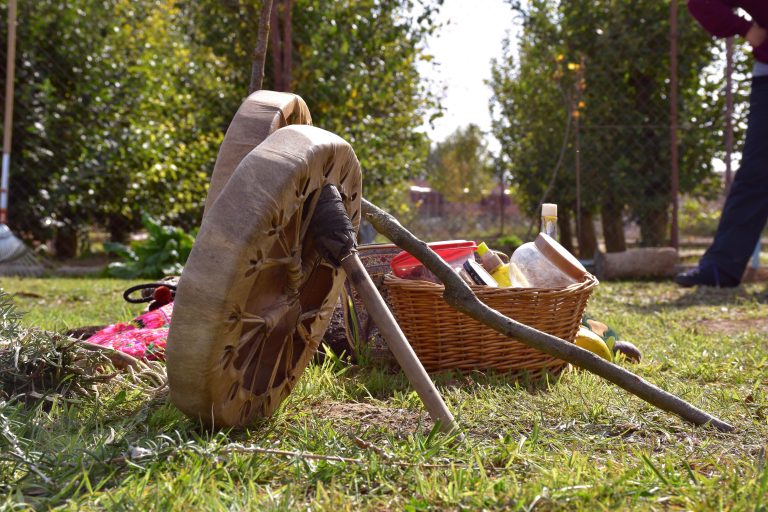


Aboriginal Australian communities have a rich cultural heritage, with drumming being an essential part of their traditions. The origins of drumming in these communities date back thousands of years, and the practice still continues today. Let’s explore the ancient roots and significance of drumming in Aboriginal Australian culture.
The Role of Drumming in Aboriginal Australian Culture
Drumming holds deep spiritual and cultural meaning for Aboriginal Australians. It is believed that the rhythms produced by drums connect individuals to their ancestors, the land, and the spiritual realm. The beats and patterns created hold stories, transmit knowledge, and celebrate significant events.
Traditionally, different types of drums were used, each serving a specific purpose. “Didgeridoos” (a long wooden trumpet-like instrument) were often played alongside the drums, creating a mesmerizing fusion of sounds that reverberated through the land. These rhythmic melodies were not only enjoyed during ceremonies and rituals but were also used for communication between different tribes and to add resonance to stories and dances.
Ancient Origins and Evolution of Drumming
Drumming in Aboriginal Australian communities has its origins in the Dreamtime, the period when ancestral beings roamed the earth and created the landscape and all living things. It is believed that the rhythms played on drums mimic the heartbeat of these ancient beings, establishing a connection to the spiritual realm.
The drums played by Aboriginal Australians have evolved over time. Initially, natural materials such as tree trunks and animal skins were used to create the drums. These materials were readily available and provided a unique resonance. Today, modern materials like wood and metal have also been incorporated, allowing for a greater variety of tones and sounds. However, the essence and purpose behind the drumming remain unchanged.
Preservation and Revitalization Efforts
Despite the challenges faced by Aboriginal Australian communities over the years, the practice of drumming has been preserved and revitalized by dedicated individuals and organizations. The importance of passing down this cultural tradition to future generations has been recognized, leading to initiatives focused on teaching young people the art of drumming and its significance.
Aboriginal Australians are also using drumming as a means to reclaim and reinforce their cultural identity, promoting a sense of unity and pride within their communities. Festivals and gatherings are organized where drumming is a central element, allowing people to come together, share their stories, and celebrate their heritage.
In conclusion, drumming has deep roots in Aboriginal Australian culture, dating back thousands of years. It serves as a medium of connection to ancestors, land, and spirituality. The rhythmic beats woven into the fabric of Aboriginal Australian communities hold stories, transmit knowledge, and celebrate important events. It is a vital cultural practice that continues to be cherished and upheld.
The above article may contain affiliate links which help support Authentic Drums. However, it does not affect our editorial integrity. The content remains unbiased and authentic.