
There are luminaries who have transcended geographical boundaries and left an indelible mark on the global stage. Famoudou Konaté, the African djembe drummer, is one such luminary. Hailing from Guinea, Konaté’s mastery of the djembe drum, coupled with his unique style, has captivated audiences worldwide. In this article, we’ll delve into the life and musical journey of Famoudou Konaté, exploring his roots, his mesmerizing music, and his remarkable discography of 10 influential albums.
Famoudou Konaté: A Glimpse into His Origins
Famoudou Konaté was born in 1940 in the village of Sangbarala, located in the Balandugu region of Guinea. Guinea, situated in West Africa, is renowned for its rich musical heritage, and Famoudou Konaté was fortunate to grow up in this cradle of rhythm and culture. He was born into the Malinke ethnic group, and from a young age, he displayed an innate talent and passion for drumming.
The Djembe and Its Cultural Significance
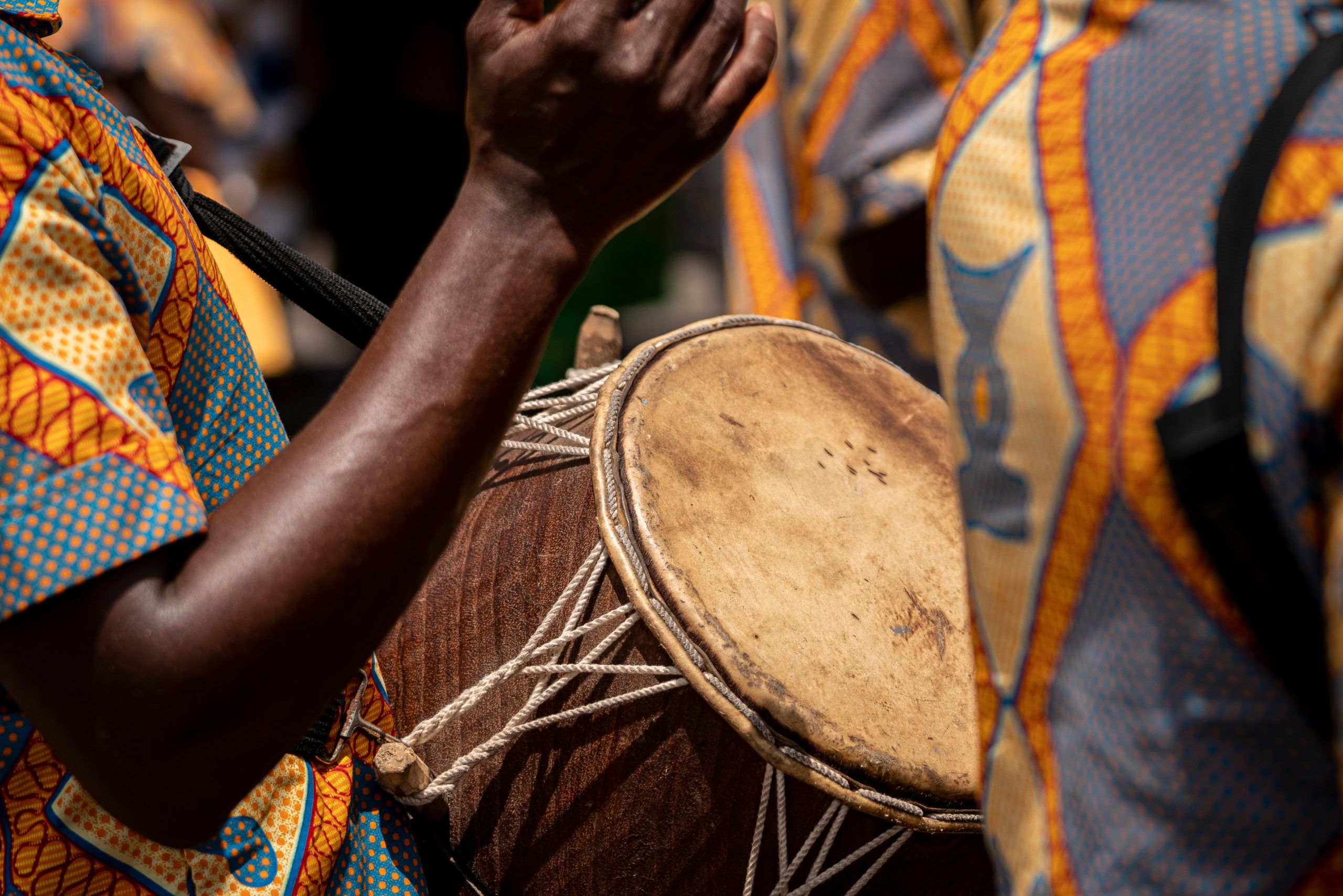
The djembe, an iconic West African drum, holds profound cultural significance. It is not just an instrument but a vessel for storytelling, communication, and community bonding. Konaté, like many of his contemporaries, learned to play the djembe through an oral tradition passed down from generation to generation. His dedication to preserving and advancing this tradition would become his life’s mission.
Musical Style and Influence
Famoudou Konaté’s musical style is a blend of tradition and innovation. He is celebrated for his impeccable technique, masterful control of the djembe’s tonal range, and his ability to infuse deep emotion into his performances. Konaté’s drumming style is characterized by its rhythmic complexity, polyrhythms, and the seamless interplay of various percussion instruments. He draws inspiration from the rhythms of Guinea’s Malinke, Susu, and Baga ethnic groups, weaving them into a captivating tapestry of sound.
10 Must-Listen Albums by Famoudou Konaté
- “Hamana Namun” (1985) – This album showcases Konaté’s virtuosity, with intricate rhythms that transport listeners to the heart of Guinea.
- “Rhythms of Guinea” (1990) – A collaborative effort with other talented musicians, this album is a rhythmic journey through Guinea’s diverse musical landscape.
- “Rhythms and Songs from Guinea” (1995) – Konaté’s solo album, which highlights his exceptional talent and mastery of the djembe.
- “Djembefola” (1998) – A groundbreaking release that solidified Konaté’s status as a world-renowned djembe player.
- “Djembekan” (2002) – An exploration of the djembe’s versatility, blending traditional and contemporary rhythms.
- “Malinke Rhythms and Songs” (2006) – A tribute to Konaté’s Malinke heritage, featuring mesmerizing rhythms and soulful melodies.
- “Soli Rapide” (2010) – A fast-paced and exhilarating album that showcases Konaté’s technical prowess.
- “Live in Mamady’s Village” (2014) – Recorded live in Guinea, this album captures the energy and authenticity of Konaté’s performances.
- “Balandugu Kan” (2017) – An album that pays homage to Konaté’s hometown, celebrating the rhythms of Balandugu.
- “Legacy: Famoudou Konaté” (2020) – A compilation album that encapsulates Konaté’s lifelong dedication to the djembe and its music.
Famoudou Konaté, the African djembe drummer, is a living legend whose musical contributions have transcended borders and enriched the global musical landscape. From his humble beginnings in Guinea to his worldwide acclaim, Konaté’s journey is a testament to the power of music to unite, inspire, and transcend cultural boundaries. His albums, each a rhythmic masterpiece, are a treasure trove for music enthusiasts seeking to immerse themselves in the rich traditions of West African drumming, making him a true ambassador of African percussion on the world stage.
The above article may contain affiliate links which help support Authentic Drums. However, it does not affect our editorial integrity. The content remains unbiased and authentic.