

Embrace the beat and join the rhythmic journey with our comprehensive guide on drum circles. A global phenomenon, drum circles have become a popular avenue for people to connect, express themselves, and experience the therapeutic power of rhythm. Whether you’re a seasoned percussionist or a curious newbie, this article explores the essence of drum circles, their history, and the myriad of benefits they offer.
What is a Drum Circle?
A drum circle is a gathering of individuals who come together to create music in a communal setting. Unlike a traditional musical ensemble, there’s no conductor or sheet music; participants rely on improvisation, creating spontaneous and synchronized rhythms. Drum circles are inclusive, welcoming participants of all ages, skill levels, and backgrounds.
A Brief History of Drum Circles
Tracing back to ancient civilizations, drumming has been a vital part of communal gatherings, religious ceremonies, and celebrations. Drum circles, as we know them today, gained popularity in the United States in the 1960s and 1970s, influenced by African, Latin, and Middle Eastern drumming traditions.
The Instruments of a Drum Circle
The pulsating heart of any drum circle is its diverse array of instruments, each adding its unique voice to the rhythmic symphony. Participants gather, bringing an assortment of drums and percussion instruments, creating a melting pot of sounds and textures. Understanding these instruments is key to fully immersing yourself in the drum circle experience.
Hand Drums
- Djembe: Originating from West Africa, the djembe is a goblet-shaped drum played with bare hands. Its versatile range, from deep bass tones to high, sharp slaps, makes it a favorite in drum circles.
- Conga: A tall, narrow drum from Cuba, the conga produces deep, resonant tones and is played with the palms, fingers, and heels of the hands.
- Bongo: Consisting of two small, attached drums, the bongo is of Cuban origin and is known for its high-pitched, lively sound.
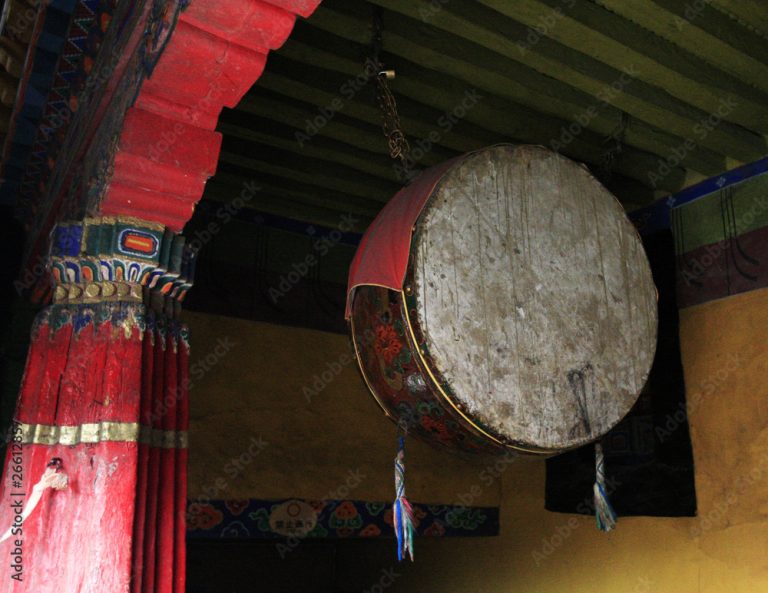
- Frame Drum: With a simple, circular frame and a single drumhead, frame drums are one of the oldest drum types and are found in various cultures worldwide. They produce a warm, resonant tone.
- Doumbek: A goblet-shaped drum found in Middle Eastern music, the doumbek has a sharp, crisp sound and is played with intricate finger techniques.
Percussion Instruments
- Shakers: Filled with beads or seeds, shakers add a subtle, rhythmic rustle to the drum circle.
- Claves: A pair of hard wooden sticks struck together, claves produce a bright, penetrating sound.
- Tambourine: A hand-held frame drum with jingles, the tambourine adds a jingling, sparkling sound to the mix.
- Cowbell: Made of metal and struck with a stick, the cowbell contributes a sharp, resonant tone.
- Guiro: A hollow, open-ended gourd with a ridged surface, the guiro produces a raspy, scraping sound when played with a stick.
The Benefits of Participating in Drum Circles
Engaging in drum circles offers numerous physical, emotional, and social benefits. The activity promotes relaxation, reduces stress, enhances coordination, and fosters a sense of belonging and community. It also serves as a creative outlet, allowing participants to express themselves through rhythm.
Discovering and joining a drum circle can be an enriching experience, offering a sense of community, artistic expression, and the sheer joy of making music together. Below are various avenues and practical tips on how to immerse yourself in the world of drum circles.
Finding Local Drum Circles
- Online Platforms: Utilize social media, meetup groups, and dedicated drum circle directories to find local gatherings. Websites like meetup.com often have specific groups for drum circles and percussion enthusiasts.
- Music Stores and Community Centers: Visit local music stores, community centers, or cultural organizations, as they might host drum circles or have information on nearby events.
- Word of Mouth: Networking with local musicians and attending music events can lead you to learn about drum circles through personal recommendations.
What to Bring and Prepare
- Your Instrument: If you have a drum or percussion instrument, bring it along. If not, many drum circles provide communal instruments.
- Comfort Items: Bring a chair or blanket to sit on, water to stay hydrated, and any personal items you might need for an outdoor or extended session.
- Open Mind and Respect: Come prepared to listen, learn, and respect the group’s dynamics. Every drum circle has its own flow and etiquette.
Engaging with the Community
- Introduce Yourself: Don’t be shy; introduce yourself and express your interest in participating.
- Observe and Listen: Initially, take time to observe the group’s dynamics and listen to the rhythm before jumping in.
- Be Respectful: Follow any guidance from experienced participants or facilitators, and be mindful of the volume and tempo of your playing.
How to Get Involved in Drum Circles
Ready to dive into the world of drum circles? Explore local community boards, social media groups, and websites dedicated to drum circle events. Many cities have regular gatherings in parks, community centers, and other public spaces.
Tips for Drum Circle Beginners
For those new to drum circles, it’s important to be mindful of the communal nature of the event. Be respectful of the group’s dynamic, listen actively, and contribute to the rhythm without overpowering others. Don’t be afraid to experiment and let loose—it’s all about the shared experience and enjoyment of music.
The Global Impact of Drum Circles
Drum circles have transcended borders, creating a global network of rhythmic enthusiasts. These gatherings serve as a powerful tool for cultural exchange, unity, and fostering global connections through the universal language of music.
Embark on a rhythmic adventure and discover the transformative power of drum circles. Whether for fun, connection, or wellness, these gatherings offer a unique space to explore the world of communal music-making. So, find a circle near you, grab a drum, and let the beats lead the way to a harmonious and joyful experience.
The above article may contain affiliate links which help support Authentic Drums. However, it does not affect our editorial integrity. The content remains unbiased and authentic.